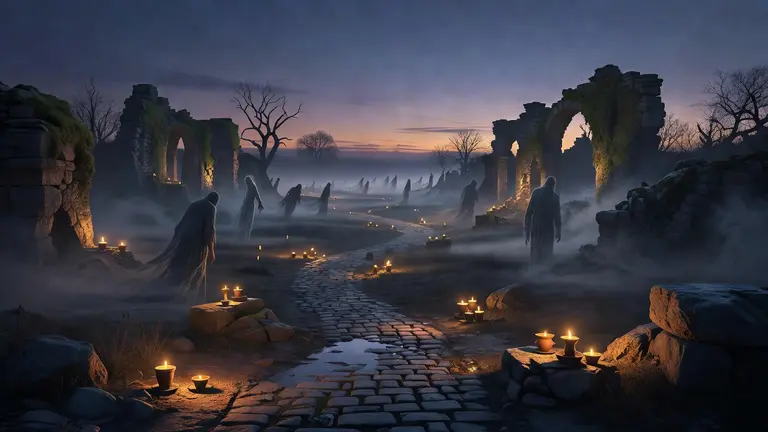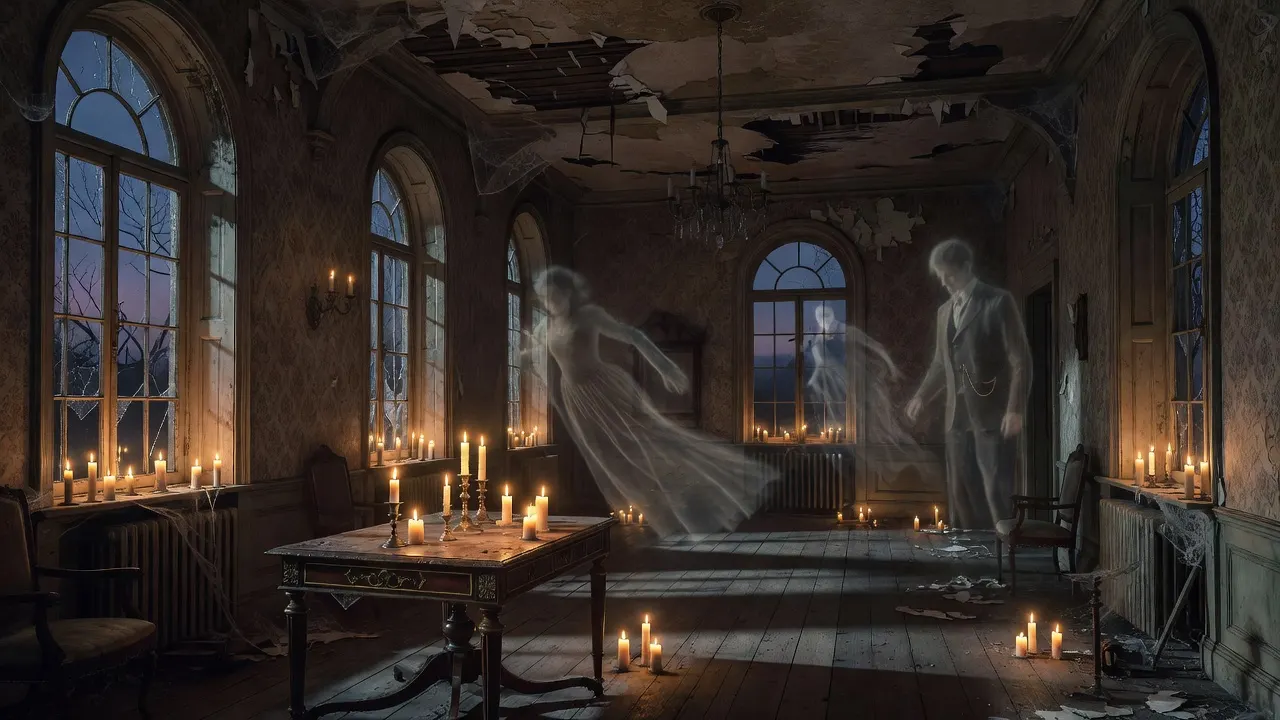
Haunting stories vary from reports of strange houses and unexplained encounters to legends tied to specific places. Treating these as personal accounts instead of proof of the supernatural allows for both curiosity and doubt. The practical question is how a story shapes what people notice, remember, and pass on.
Key facts
- Real Ghost Stories presents tales of haunted houses, Ouija board encounters and ghost stories from the UK and around the world.
- All That’s Interesting describes the Enfield haunting as a case that shocked London in the late 1970s.
- Reader’s Digest frames haunted houses as places where visitors can get close to eerie ghost stories.
- Spirit Halloween describes Reddit as a source of paranormal, scary and unexplained stories shared in topic-based communities.
Haunting stories sit between testimony and belief
The phrase “real ghost story” can sound like a verdict. A story presented as real is therefore not, by that label alone, proof that its supernatural explanation is factual.
That distinction matters when reading accounts of apparitions or strange encounters. A source may report what someone said happened, while a reader still has to separate the reported experience from the explanation attached to it. Not everyone believes that there are real ghost stories buried in the annals of history.
This leaves space for two responses without pretending they are the same. A reader can take a narrator’s fear seriously while remaining unsure about the cause. The collection of stories is evidence that people tell and revisit accounts; it is not, on its own, evidence that a ghost appeared. Accounts present the variety and character of hauntings and ghostly encounters, outcomes of people telling haunted legends, and the nested consequences of ghostly experiences.
For a careful reader, that makes the framing worth noticing. Is a passage an account, a legend or an interpretation? Keeping those categories distinct makes the story easier to discuss without dismissing a person’s feelings or overstating what is known.
Places give different stories a shared setting
Haunting tales often gather around houses and other locations. A list of reportedly haunted locations includes places said to be haunted by ghosts, demons or other supernatural beings throughout the world. (En.wikipedia.org) The careful wording is “said to be”: it describes a report, not a confirmed haunting.
Collections use settings in different ways. These examples show how accounts can connect a reported event or place with a wider story; they do not establish that every version is equally reliable.
Here is a useful side-by-side reading test. First, identify what the source says: a place is reportedly haunted, a story is said to have shocked a city, or a location inspired a book. Next, ask what the source does not establish: whether the supernatural explanation is verified. Finally, keep the effect of the story separate from its truth claim. A vivid account can be unsettling even when its cause remains uncertain.
That approach also fits folklore. Reports of haunted locations are part of ghostlore, which is a form of folklore. A location can therefore matter as a setting for shared stories, even when readers disagree about whether anything paranormal occurred there.
What this means for you?
Reading a frightening account does not require choosing between instant belief and instant ridicule. You can note what the narrator reports, then mark what the source adds as interpretation. That small separation helps keep an unsettling story engaging without treating a claim as settled fact.
If you are a reader who finds a story hard to put down, pause when the account moves from an event to an explanation. “I heard a sound” and “a spirit caused it” are different kinds of statements. The first describes an experience; the second proposes a cause. The source material ranges from ghost-story collections to discussions of reported locations and the telling of hauntings.
Notice, too, how a setting changes the way a tale lands. A haunted-house account invites you to picture a place; a story linked with a named case or a work of fiction gives the tale another frame. All That’s Interesting links the Enfield story with London and the late 1970s. Those links describe how the stories are presented, not proof of a paranormal cause.
Online stories deserve the same care. Spirit Halloween describes topic-based Reddit communities where readers share paranormal and unexplained stories. A post can be worth reading as someone’s account without being treated as independently confirmed. Look for clear distinctions between what happened, what the teller believes happened and what a later retelling adds.
If a story leaves you uneasy, you can step away from it. Curiosity does not oblige you to keep reading, visit a location or adopt another person’s explanation. Choose stories for their atmosphere and storytelling, while keeping your own judgement intact.
What to do now?
- Choose a source. Start with a collection that makes its subject clear. Real Ghost Stories describes tales of haunted houses, Ouija board encounters and ghost stories from around the world.
- Label the claim. As you read, note whether each detail is a reported experience, a location said to be haunted, or an interpretation of events. The worldwide locations list itself uses the qualification “said to be”.
- Compare the framing. Set a place-based account beside a story collection.
- Keep uncertainty visible. Do not turn a vivid telling into proof. Accounts and legends can be discussed while readers disagree about whether ghosts exist.
- Take a break if needed. Close the story and return only if you want to. There is no need to settle a supernatural claim to enjoy, question or leave an unsettling account.
Sources
- Realghoststories.co.uk
- Allthatsinteresting.com/real-ghost-stories
- Www.rd.com/list/most-haunted-places-world
- Www.spirithalloween.com/blog/the-7-scariest-true-ghost-stories-on-reddit
- En.wikipedia.org/wiki/List_of_reportedly_haunted_locations
About this page
Written with AI assistance from the sources listed above, then checked by automated fact, source, repetition and quality checks before publishing.
Facts and links checked on 17 November 2026. Summarises the sources linked above; check the linked source for the latest version.
How we researched this: we compiled this guide from the official and independent sources listed above, and checked the facts on the date shown. Our editorial policy explains how we choose and check sources.