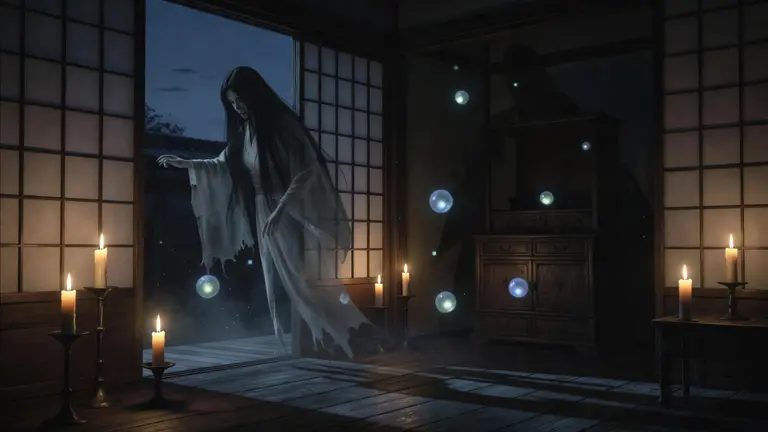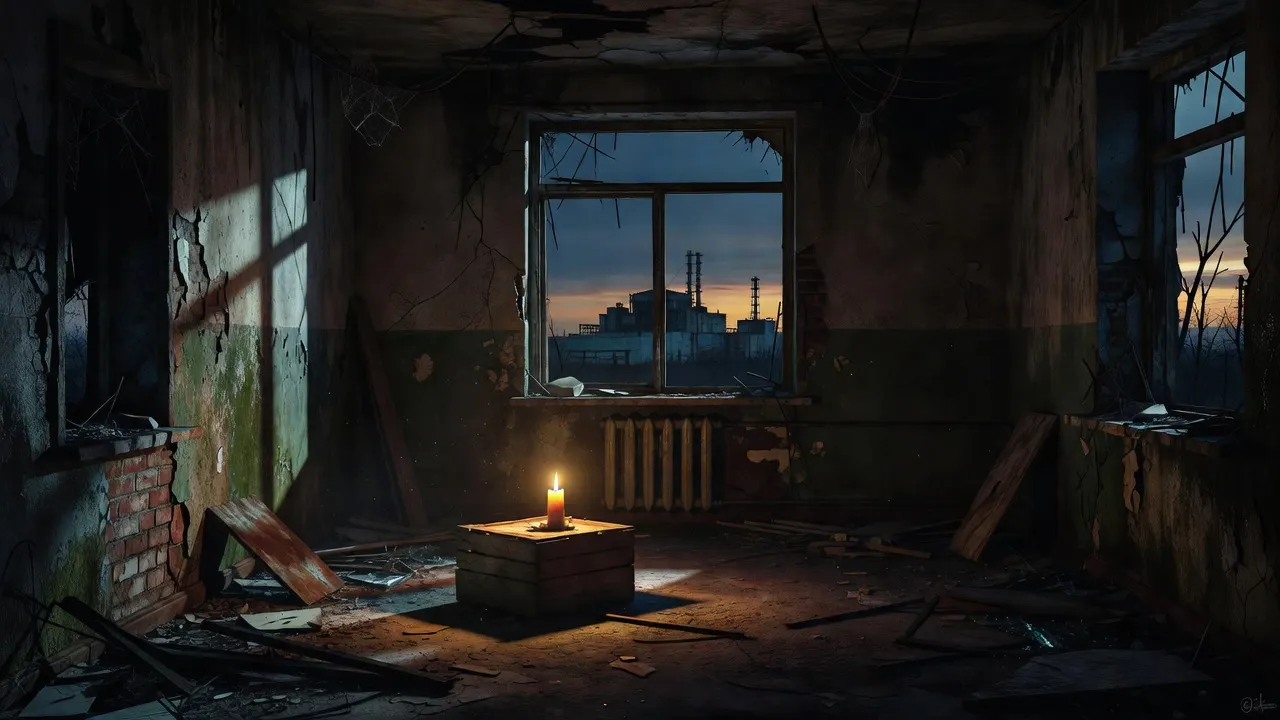
Chornobyl’s ghosts belong to the area of stories, not the facts in the sources available here. The documented history is unsettling enough: a catastrophic reactor explosion, lasting human and environmental consequences, and continuing concerns about nuclear safety. This article separates those facts from folklore and offers practical ways to approach eerie stories without mistaking them for evidence.
Key facts
- A catastrophic explosion occurred at Reactor 4 on 26 April 1986, at the Chornobyl Nuclear Power Plant in what is now northern Ukraine. [F9]
- A UK statement reported that off-site power was lost at the Chornobyl site after a strike on the Slavutych substation. [F15]
- The protective shelter at the plant was damaged by a Russian drone strike, and UK support was announced for repairs as part of an international programme. [F27]
Chornobyl’s documented history is frightening without invented ghosts
Accounts of ghosts can make a damaged place feel close and personal. Yet the available sources do not document apparitions, hauntings or encounters with spirits at Chornobyl. They describe an accident, its consequences and the effort to understand hazards that can travel beyond the site. Keeping those categories separate makes a story more honest, not less eerie.
The documented starting point is stark: an explosion at Reactor 4, followed by consequences that reached beyond the immediate accident. The Met Office says the disaster exposed weaknesses in the tools then used to model atmospheric dispersion over long distances and extended periods. That is not a ghost story; it is a record of how difficult it was to understand where hazardous material might go. [F9, F11]
The science changed afterwards. The same source says Chornobyl helped transform the way hazardous material moving through the atmosphere is understood, modelled and communicated. It describes the accident as a catalyst for tools that continue to develop and remain in use. Those are concrete consequences with a different kind of unease: the disaster forced people to improve how they assess invisible danger. [F12]
There is also an enduring human and environmental legacy. A UK statement to the OSCE described Chornobyl as a symbol of loss and stressed that its consequences continue to matter. It said the disaster made clear that nuclear safety is indivisible. That language points towards shared responsibility, rather than supernatural explanations. [F2, F4, F5]
Folklore may still give shape to fear around a ruined or dangerous place. But a frightening tale should not be presented as a verified encounter when the sources provide no evidence for one. You can preserve the mystery in the telling while being clear about what is known and what remains story.
Present-day safety concerns are real, not paranormal
Chornobyl’s unsettling reputation sits beside a documented, present-day concern: nuclear safety in Ukraine. A UK statement to the OSCE warned that Russia’s war had revived acute nuclear safety risks across the region. That concern belongs to the world of security and infrastructure, not to claims about wandering spirits. [F2, F8]
The same statement reported that other Ukrainian nuclear plants faced power-line disconnections and reduced electricity output following military activity. These details show why reports about nuclear sites need careful attention to source, context and date. [F15, F16, F17]
The statement attributed the greatest threat to Ukraine’s nuclear safety and security to Russia’s aggression. These are official claims within a statement, not independent proof of every detail. Reading them as attributed reporting helps avoid turning serious safety concerns into rumour or sensational fiction. [F18, F20]
There is a separate account of damage to the plant’s protective shelter. The UK said the shelter was damaged by a Russian drone strike and that repair support would form part of an international programme coordinated by the European Bank for Reconstruction and Development, with Ukraine’s government and G7 donors. That record is serious enough without embellishment. [F27]
For a reader drawn to ghost stories, the distinction matters. A haunting is an alleged experience; a power disruption or damaged shelter is a report about physical infrastructure. Neither should be casually substituted for the other. Treating each claim according to its evidence lets a story remain atmospheric while respecting the real risks faced by people and institutions.
What this means for you?
When you encounter a Chornobyl ghost story, first ask what kind of material you are reading. Is it clearly labelled folklore, a personal account, or a report about nuclear safety? The sources here establish the accident’s history and later safety concerns, but they do not establish that ghosts haunt the site. A careful reader can enjoy the mood without treating an eerie detail as confirmed fact.
If you are a reader who finds a frightening post claiming a ghost sighting or emergency, pause before sharing it. Check whether it names a source, separates interpretation from reported events, and makes a claim that the linked source actually supports. A dramatic image or confident caption cannot, on its own, show that an event happened. When a post mixes a real incident with supernatural language, keep the two claims apart.
That caution matters especially when a story uses nuclear danger to heighten fear. The documented history includes a catastrophic explosion, lasting consequences and the development of better tools for modelling hazardous material in the atmosphere. Recent official statements also describe nuclear safety risks and damage to the protective shelter. Those facts deserve accurate wording and proper attribution, rather than a ghostly explanation. [F9, F12] [F2] [F27]
You can also choose what you want from the story. For folklore, look for a clear signal that the account is legend or fiction. For news, seek a source that identifies who reported the event and what is known. If a post leaves that unclear, avoid repeating its claim as fact. This simple habit protects the atmosphere of a tale without adding confusion to a real safety issue.
There is no need to travel to a dangerous place or seek a frightening encounter to engage with its history. Read from a safe distance, stay with documented material, and let uncertainty remain uncertainty. Chornobyl’s documented legacy already raises difficult questions about loss, invisible hazards and shared responsibility. A story can be chilling while admitting where the evidence stops.
What to do now?
- Separate reported events from supernatural claims. Mark a ghost encounter as an allegation or piece of folklore unless reliable evidence supports more.
- Check the source behind any claim about an emergency, power disruption or damage. Read the linked material rather than relying on a caption or repost.
- Compare what a post says with the source itself. If the source discusses infrastructure but the post claims a haunting, do not treat that interpretation as established.
- Share uncertainty openly. Say when an account is unverified, and avoid adding details that the source does not provide.
- Choose a safer way to explore the subject. Read documented history or clearly labelled folklore instead of seeking out a hazardous site or an alleged encounter.
Sources
- www.metoffice.gov.uk/blog/2026/chernobyl-disaster-atmospheric-dispersion-modelling
- www.gov.uk/government/speeches/nuclear-safety-security-and-safeguards-in-ukraine-uk-statement-to-the-iaea-board-of-governors-november-2025
- www.gov.uk/government/news/britain-funds-critical-repairs-to-chornobyl-nuclear-power-plant-damaged-by-russian-drone-attack
About this page
Written with AI assistance from the sources listed above, then checked by automated fact, source, repetition and quality checks before publishing.
Facts and links checked on 2 November 2026. Summarises the sources linked above; check the linked source for the latest version.
How we researched this: we compiled this guide from the official and independent sources listed above, and checked the facts on the date shown. Our editorial policy explains how we choose and check sources.