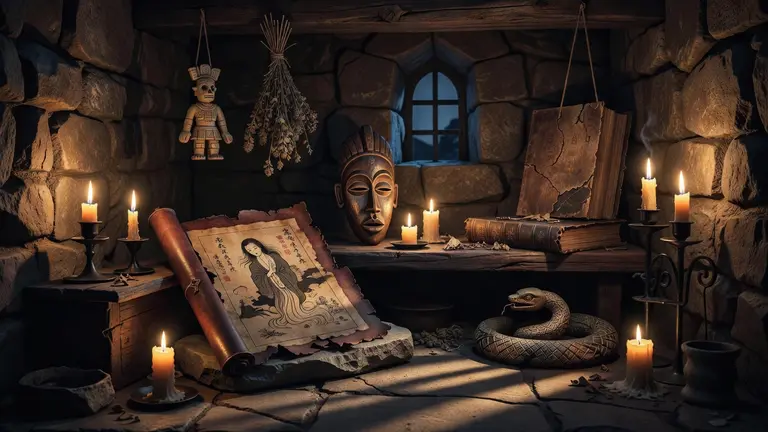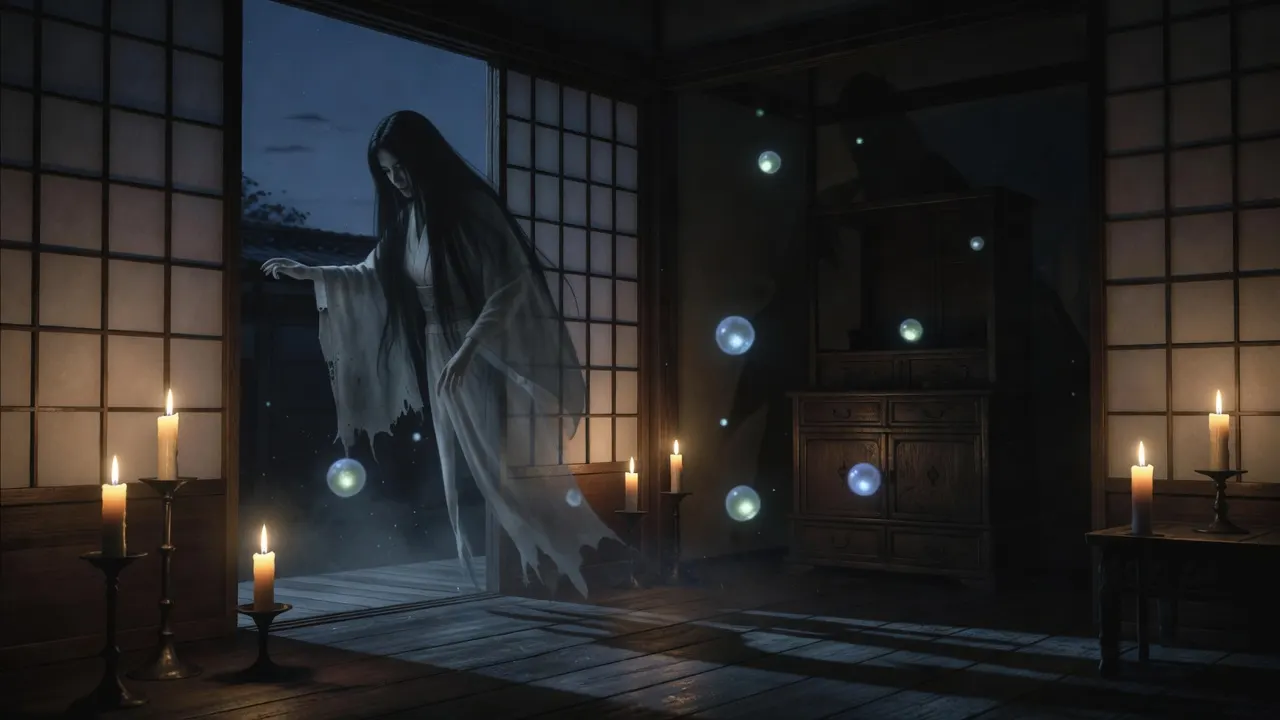
Yōkai is a broad name for strange, mysterious beings in Japanese folklore. The category includes spirits, ghosts, demons, shapeshifters and haunted objects, while yūrei refers more specifically to ghosts of the human dead. These figures can frighten, fascinate or both, reflecting how stories give shape to the uncanny and the unexplained. (Sekiei.nichibun.ac.jp)
Key facts
- One glossary defines yōkai as something of strange appearance with unknowable or mysterious powers. [F2]
- Yōkai can include spirits, ghosts, demons, shapeshifting animals and haunted objects. [F17]
- Folklore describes oni as demons, ogres or evil spirits associated with punishing the wicked. [F36]
Yōkai names a wide and uncanny category
Yōkai does not map neatly onto one English word. A glossary defines it as something strangely formed, with powers that remain unknowable or mysterious. It can also describe something strange, abnormal or mysterious. That breadth helps explain why stories place very different beings under the same label. [F2]
Another description calls yōkai apparitions that sit where the ordinary world meets the uncanny. That boundary is important: these figures are not limited to frightening monsters. They can also make familiar things seem strange, or turn an everyday object into a source of unease. Folklore can therefore approach fear through both a creature’s appearance and the disruption of what feels ordinary. [F24]
There is no exact English equivalent for the term. One guide describes it as a broad label for supernatural, magical and mysterious entities appearing in Japanese stories, paintings, art and literature. That lack of a single translation is not a flaw to fix; it signals how much varied material the word can hold. [F38]
Ghosts, demons and strange objects have different roles
Yūrei offers a narrower category within this wider landscape: it points specifically to ghosts of the human dead. Yōkai, by contrast, can refer to many kinds of supernatural beings. Keeping that distinction in mind helps readers avoid treating every ghost, monster or spirit in Japanese folklore as the same kind of figure. [F23]
Oni are a familiar example of how a label can shift in meaning over time. One account says oni once described Japanese ghosts or monsters more broadly, before coming to mean demons, ogres or evil spirits created in hell to punish the wicked. Their place in frightening stories is therefore tied to a particular image of supernatural punishment. [F36]
Yōkai do not have to be living creatures. Folklore can make an object itself a supernatural being, or describe a spirit possessing an object. A paper umbrella that hops on one leg shows how this idea can make an ordinary item feel strange. The unsettling effect comes from a familiar thing behaving in a way that breaks expectations. [F17, F39]
Yōkai can inspire fear and fascination at once. Their stories invite interest in mysteries that remain unresolved, while their variety allows them to carry different moods and meanings. That double pull is part of their appeal: a figure may be frightening, intriguing or both, rather than fitting only one emotional role. [F9, F10, F14]
Folklore records changing encounters with the mysterious
Yōkai stories do not come from one fixed catalogue. A Japanese research database gathers records from across the country, including essays, folklorists’ reports and oral accounts from ordinary people. Its materials span from the late Edo period to the present. That mix places written discussion beside accounts passed on by people. [F7]
The same research centre has hosted joint projects, symposia and workshops on mysterious phenomena and yōkai. This work examines yōkai as subjects of history and theory rather than simply viewing them as frightening characters. [F8]
One account connects yōkai with early beliefs that spiritual presences inhabited elements of the environment. Another describes them as growing from an animist Shinto worldview and from the human impulse to explain frightening or mysterious events. These are ways of interpreting their cultural background, not proof that a supernatural encounter has occurred. [F16, F21]
Stories about the uncanny can preserve uncertainty instead of settling it. A strange event may remain mysterious within the tale, while the yōkai gives that mystery a memorable shape. Reading with care means noticing both the story’s atmosphere and the limits of what its account establishes.
What this means for you?
Approach yōkai as a broad folklore category, not as a single set of monsters with one agreed meaning. A story may feature a human ghost, an oni, a shapeshifting animal or an animated object. The label helps you enter the subject, but the particular figure and the story around it matter more than the label alone.
If you are a reader who finds a strange encounter story unsettling, pause to separate what the narrator reports from what the story suggests. You can enjoy the suspense without treating it as evidence of a real supernatural event. The available folklore accounts describe traditions, definitions and interpretations; they do not establish that yōkai exist outside those accounts.
Pay attention to how a tale creates unease. Is the source of fear a ghost, an unknown power, a creature’s appearance or an ordinary object behaving strangely? This kind of reading reveals how varied the category is, and helps explain why a quiet, familiar setting can feel uncanny without requiring a single monster to appear.
It is also useful to keep curiosity alongside caution. Yōkai can be frightening and fascinating at once, and that mixture is part of their cultural appeal. Treat the stories as folklore worth exploring, rather than as a reason to assume that an unfamiliar noise, shadow or object has a supernatural cause.
What to do now?
- Start with the category. Read yōkai as a broad term for strange supernatural beings, rather than assuming it means only ghosts or demons. Then identify the kind of figure the story describes.
- Check the distinction. When a tale mentions a ghost, ask whether it uses the narrower idea of yūrei or the wider category of yōkai. When it mentions oni, consider the term’s association with demons, ogres and evil spirits.
- Notice the source of unease. Look for whether fear comes from an uncanny appearance, a mysterious power, a shapeshifting creature or an object acting strangely. This helps you read the story’s choices without adding details that are not there.
- Explore the record with care. Compare a folklore story with accounts gathered by researchers, including oral accounts and folklorists’ reports. Treat each as a record of how people describe mysterious phenomena, not as proof that every reported event has a supernatural explanation.
- Keep wonder and judgement together. Let a yōkai story be frightening or fascinating, while keeping its cultural and imaginative role distinct from claims about the world beyond the story.
Sources
- sekiei.nichibun.ac.jp/YoukaiDB3/english_kaisetsu.html
- japaneserituals.com/guides/japanese-yokai
- cotoacademy.com/scariest-japanese-ghosts-and-folklore
- japanese.mythologyworldwide.com/the-scary-yet-fascinating-yokai-a-deep-dive
About this page
Written with AI assistance from the sources listed above, then checked by automated fact, source, repetition and quality checks before publishing.
Facts and links checked on 2 November 2026. Summarises the sources linked above; check the linked source for the latest version.
How we researched this: we compiled this guide from the official and independent sources listed above, and checked the facts on the date shown. Our editorial policy explains how we choose and check sources.