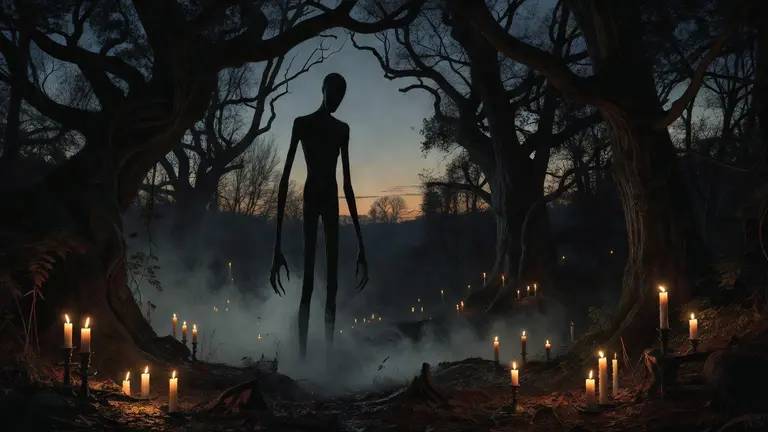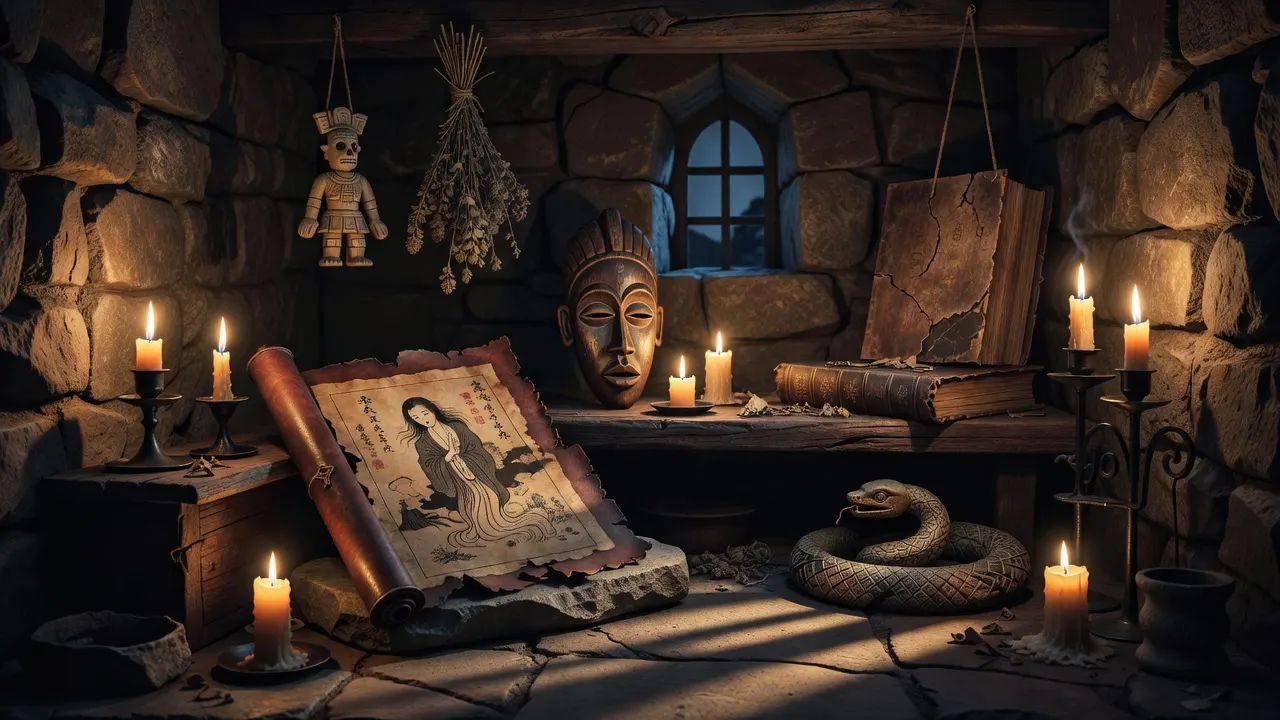
Scary stories vary across cultures because they grow from distinct histories, beliefs and local traditions. They may feature spirits, ghosts or other frightening figures, but they also carry ideas about social fears and shared values. Comparing them is not about deciding which tale is true; it is a way to notice how communities give shape to fear.
Key facts
- Horror myths can reflect a society’s fears, concerns and cultural beliefs. FolkFiesta
- European dark legends remain living traditions connected with landscapes and heritage. Flights and Fables
- Ghost stories can help students explore cultures, historical contexts and shared experiences of fear and mystery. Participate Learning
- Stories of spirits, paranormal events and strange creatures pass through generations worldwide. KQED
- Halloween traditions around the world come from distinct cultural and religious practices. ScaryTraditions
Fear takes different forms in local folklore
International scary stories do not follow one shared template. A community may tell of a ghost, a threatening creature or a presence tied to a particular landscape. These figures are not interchangeable decorations: their meaning depends on the tradition that carries them. Stories of spirits and strange creatures can be local legends, and only some travel beyond their original communities.
European folklore offers examples of distinct figures. French traditions include the lavandière de nuit, described as night washer women cleaning burial shrouds beside rivers, and the ankou, a skeletal figure who collects souls in a creaking cart. The same source describes other regional spirits linked to pre-Christian traditions. These details give a story its particular texture; stripping away its setting can flatten the difference between traditions.
Irish banshee folklore and German White Lady legends are examples of traditions that connect listeners with their cultural and historical settings. The value of such stories is not limited to their ability to frighten. Folklore can preserve ideas about a community’s heritage and how people relate to the places around them.
Elsewhere, the El Chupacabra myth has endured as part of contemporary Latin American folklore and popular culture, even as skeptics have attributed incidents to predators or natural causes. That tension between supernatural explanation and ordinary possibility is one reason a tale can remain compelling. It lets listeners explore uncertainty without requiring everyone to accept the same explanation.
Stories carry shared fears and cultural meaning
Horror myths can reveal what a society fears or worries about, and they can offer a way to examine collective anxieties and cultural beliefs. A frightening figure may therefore mean more than danger within the plot. It can invite a listener to consider what kinds of threats, tensions or boundaries matter to the people who tell the story.
This does not mean every tale has one fixed lesson. A story can change as it is told, and audiences may respond to it in different ways. Treating folklore as a lens rather than a code to crack leaves room for those differences. The stories offer ways to think about history and culture through fear, rather than providing a single answer about either.
Stories also help people approach the unknown. Ghost tales, for example, can open discussion about cultural contexts and shared human experiences of fear and mystery. Their appeal across borders does not erase local identity: some legends remain rooted in their communities, while others reach wider audiences.
Traditions surrounding Halloween also vary instead of tracing back to one common origin. Commercial Halloween may exist alongside indigenous traditions rather than replacing them. That distinction matters when comparing customs: a familiar seasonal event does not mean every community shares the same beliefs or practices.
Preserving these stories can support understanding of history and cultural change. Folk literature, oral traditions and academic study are among the approaches suggested for keeping horror myths alive. Recording a tale with care can protect its context as well as its frightening details.
What this means for you?
Reading scary stories from other cultures can be an enjoyable way to meet unfamiliar ideas, but it works best when curiosity comes before judgement. A tale may sound strange when separated from its community, yet that reaction is not proof that the story is foolish or merely invented for entertainment. Folklore can offer a way to explore history, values and shared experiences.
If you are a reader choosing a story for a group, first decide what you want the discussion to do. You might focus on the figure that causes fear, the place where the story unfolds, or what the tale suggests about its community. Ghost stories can help students explore cultural and historical contexts alongside the mystery. Keep questions open-ended: ask what the story makes listeners feel, rather than demanding a single interpretation.
Be careful not to present one tale as representative of an entire country or culture. The fact that legends can stay local, and only sometimes cross cultural borders, is a useful reminder that no story stands for everyone. If you share a version, say where you found it and avoid adding details that are not in your source. Respectful framing keeps the attention on the tradition rather than on a claim of personal expertise.
For younger listeners, choose material with their interests and comfort in mind. One folklore guide says Irish banshee and German White Lady legends can suit older children interested in mythology and history. That is a suggestion, not a substitute for knowing your audience. Offer people a choice to pause or change the subject if a story feels too intense.
Most of all, let uncertainty remain part of the experience. A tale can be meaningful even when listeners disagree about what caused its events. In the El Chupacabra account, skeptics offer natural explanations while the myth persists in folklore and popular culture. That coexistence can prompt thoughtful conversation without turning it into a contest between belief and disbelief.
What to do now?
- Choose a tradition. Pick a story from a source that names its cultural setting. Begin with curiosity, not a hunt for the scariest detail. Horror myths can reflect social fears and beliefs.
- Read the context. Notice the setting, the figure and the way the tale is described. Keep the details attached to their tradition instead of blending them into a generic ghost story. European legends, for instance, are presented as living connections to landscapes and heritage.
- Compare carefully. Set two stories beside one another and ask what each makes frightening. Do not assume similar ghosts have identical meanings. Stories can help readers explore cultural context and shared feelings of mystery.
- Share responsibly. Name the source when you retell a story, and distinguish what it says from your own interpretation. Oral traditions and folk literature are among the ways horror myths can be preserved.
- Leave room for response. Invite listeners to discuss what unsettled them, or to pass if they prefer. A story can prompt reflection without requiring everyone to agree on its meaning.
Sources
- folkfiesta.net/en/post/myths-horror-stories-fear-different-cultures
- www.flightsandfables.com/european-ghost-stories-folklore
- www.participatelearning.com/blog/spooky-tales-and-legends-from-around-the-world
- www.kqed.org/arts/13967487/ghost-legends-from-around-the-world-paranormal-hauntings-apparitions-legends
- blog.scarytraditions.com/halloween-traditions-around-the-world-explained
About this page
Written with AI assistance from the sources listed above, then checked by automated fact, source, repetition and quality checks before publishing.
Facts and links checked on 2 November 2026. Summarises the sources linked above; check the linked source for the latest version.
How we researched this: we compiled this guide from the official and independent sources listed above, and checked the facts on the date shown. Our editorial policy explains how we choose and check sources.