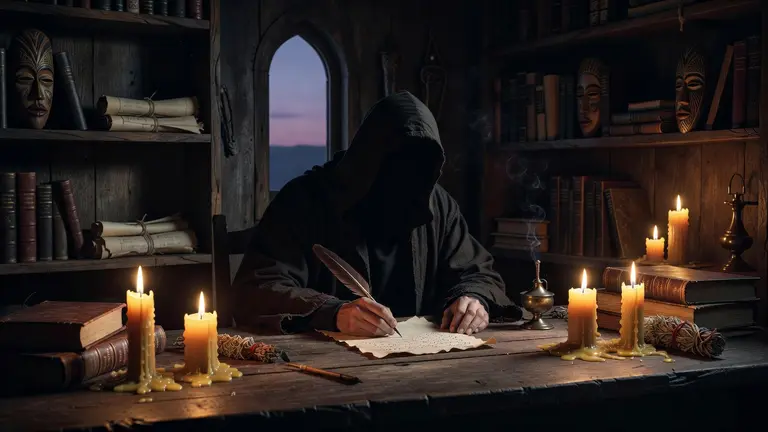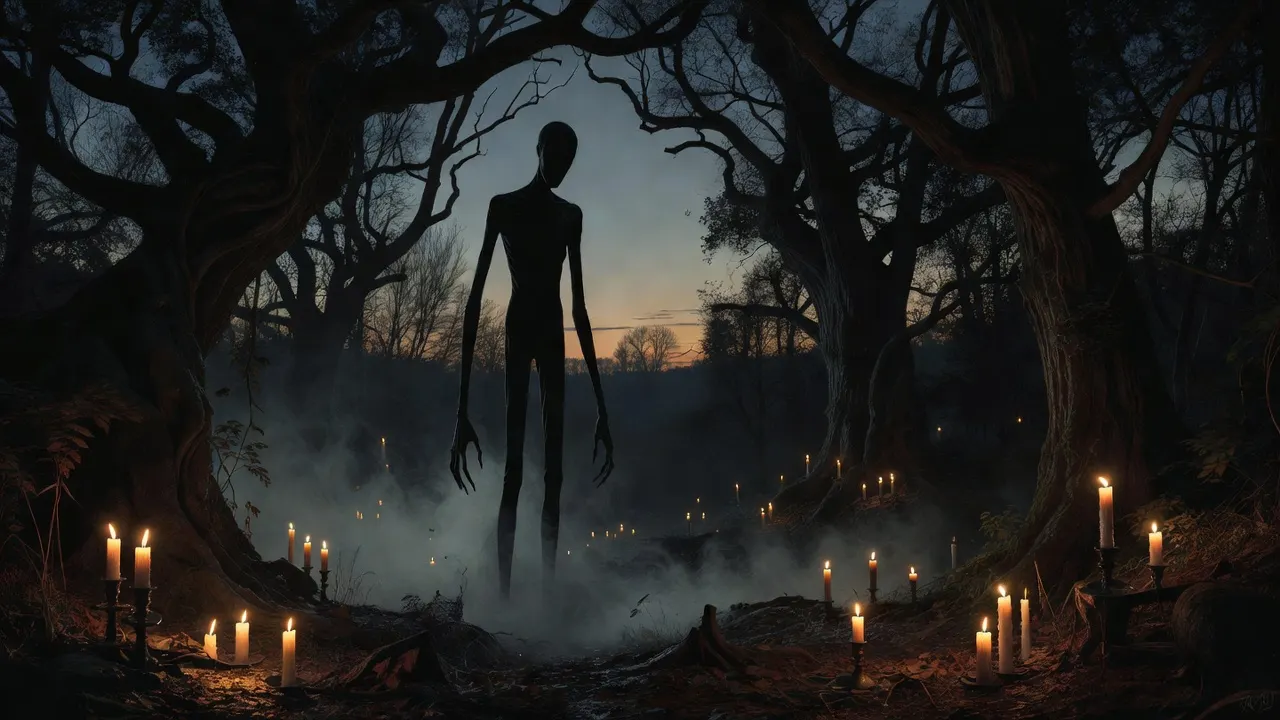
Slender Man is a fictional horror figure, created as an internet legend in 2009 and shared through stories, images and videos. His shifting appearance and open-ended backstory let people add their own interpretations. The legend’s spread shows how a made-up character can gather the feel of folklore without becoming evidence of a real being. (Allthatsinteresting.com)
Key facts
- Slender Man began as a contribution to an online Photoshop challenge and quickly went viral. [F6]
- He is often depicted as a tall, faceless figure in a dark suit, with long arms and sometimes tentacles. [F8]
- His character became a significant figure in creepypasta, a style of internet horror passed around through copied stories. [F9, F12]
- Online creators expanded the legend through stories, videos, characters and theories. [F22]
Slender Man began as an invented internet character
The legend did not emerge as an old folktale discovered in an archive. It began with an online image-making challenge, where Eric Knudsen created the character as a meme in 2009. [F6; F13]
That origin matters because it makes the creative starting point unusually visible. The account identifies a person and a setting for the first contribution, rather than presenting the figure as an anonymous rumour with no traceable beginning. [F6; F13]
The character’s design was spare enough to invite variation. He was shown as tall and faceless, with a dark suit and long arms; some images added tentacles. The vague design gave artists room to make their own interpretations. [F5, F8]
That openness also left space for readers to imagine what the figure wanted, where he appeared and what might happen next. Those details could change between stories, so there was no single fixed account to settle the mystery. This flexibility is part of the fiction’s appeal, not proof that the figure exists. [F5, F9]
Slender Man is described as a creepypasta: a modern horror legend circulated online as people copy and share it. The label points to a mode of storytelling, not a claim of verified events. [F9]
In that sense, the legend is less a single finished tale than a shared creative prompt. Its recognisable image helps audiences identify the character, while the gaps invite further versions. [F5, F8, F9]
Stories and videos widened the Slender Man myth
After the initial image, Slender Man moved beyond the place where the character first appeared and circulated across the internet. The legend developed through contributions from people creating stories, videos, characters and theories around him. [F20, F22]
Video fiction gave audiences another way to encounter the figure. Marble Hornets tells a Slender Man story, while other online series named in accounts of the legend include EverymanHYBRID and TribeTwelve. [F14; F21]
One channel used found-footage-style storytelling about a film student stalked by a figure called The Operator, which appeared to draw inspiration from Slender Man. That connection shows how the character’s influence could shape related fiction without every new figure being identical to him. [F10]
The collective artistic movement of Slender Man fans became known as the Slenderverse. The label describes a body of fan-made work, rather than a single authorised version of the story. [F25]
Accounts of the character describe him as a prominent figure in creepypasta and a source of inspiration for artwork and stories. His online life was sustained by new interpretations, not by one definitive plot that closed the legend. [F12, F16]
The figure’s appeal has also been linked to the way he can lurk unnoticed in the background, a quality compared with the hidden presence of technology in modern life. That reading offers one explanation for the unease: the threat seems near, but remains hard to see clearly. [F29]
Folklore comparisons do not make the legend real
Slender Man is sometimes framed as part of a wider human tradition of imagining frightening beings. His creator linked newly made entities with older ideas such as angels, succubi, ghosts and spirits. That comparison concerns recurring kinds of stories, not evidence that these beings share a literal origin. [F34]
Another account compares the way Slender Man is portrayed in woods with familiar folklore villains, including the Headless Horseman and the Big Bad Wolf. The resemblance lies in a storytelling image: a threatening figure set apart from ordinary life. [F19]
Digital folklore can be examined as a process: people create a character, add variations, then share the results. Slender Man has been studied as an example of folklore forming and spreading in the digital era. [F30]
Belief can blur the boundary for some readers. One account says that some people came to believe Slender Man existed in real life and tried to find him. That response tells us about the legend’s impact on its audience; it does not turn the fictional character into a verified presence. [F15]
The most grounded way to approach the myth is to separate its documented creative origin from the fictional claims made within its stories. A frightening image can feel vivid, and a story can be immersive, without either serving as proof of a supernatural encounter. The available accounts describe a character made and developed through online creativity. [F13, F16; F30]
What this means for you?
Slender Man is a useful case for thinking about how a story gains authority in a digital setting. An image may be reposted beside invented testimony, dramatic video or a claim that someone saw the figure. When these forms appear together, it can become harder to tell which parts are fiction and which are claims about reality. The character’s documented origin gives readers a way to check that distinction. [F6, F9]
If you are a reader who finds a frightening post late at night, pause before treating it as a warning. Look for context: is it presented as a story, a fan creation or a factual claim? Compare the wording with what is known about the character’s creation and spread. You do not need to solve every mystery in the fiction to decide whether a post offers reliable evidence. [F13, F15; F22]
What to do now?
- Check the context before sharing a post. Decide whether it is a fictional story, fan work or a claim about real events. Slender Man’s documented beginning as an online creation is a useful reference point. [F13]
- Compare versions rather than assuming one account is definitive. The character grew through many creators’ stories, videos, characters and theories, so differences may reflect invention. [F22]
- Label your own horror clearly. A recognisable fictional frame lets readers engage with the scare without mistaking invented events for evidence. [F9]
- Pause if the material is affecting your mood. Close the story, take a break and return only if you want to. You can enjoy horror without forcing yourself to continue.
- Talk about the craft. Notice how a vague design invites new interpretations, and how sharing can turn one image into a larger body of fiction. [F5; F22, F25]
Sources
- allthatsinteresting.com/slender-man
- www.creepypasta.com/history-of-slender-man
- www.creepypasta.com/the-complete-timeline-of-slender-man
- www.mentalfloss.com/culture/folklore-mythology/slender-man-facts
About this page
Written with AI assistance from the sources listed above, then checked by automated fact, source, repetition and quality checks before publishing.
Facts and links checked on 2 November 2026. Summarises the sources linked above; check the linked source for the latest version.
How we researched this: we compiled this guide from the official and independent sources listed above, and checked the facts on the date shown. Our editorial policy explains how we choose and check sources.