To write a creepy story for adults, build an unsettling atmosphere, then let tension grow through choices and consequences. Choose a source of fear that feels personal, rather than leaning only on familiar horror images. Keep the threat partly uncertain, use a twist only when it fits, and shape the ending to leave the reader thinking.
Key facts
- Atmosphere can draw readers into a horror story and hold their attention, according to Behind The Draft.
- Horror writers are advised not to rely only on familiar tropes such as haunted houses or creepy children, according to Squibler.
- A story needs to feel believable enough for a reader to feel scared, disturbed or disgusted, says WikiHow.
Build dread through atmosphere and restraint
A frightening scene does not need to explain every detail. Begin with an ordinary moment, then add one detail that feels wrong: a familiar sound at an unlikely time, a room that seems subtly changed, or a message whose sender is unclear. These are writing choices, not facts about any real event. Let the character notice the detail before deciding what it means.
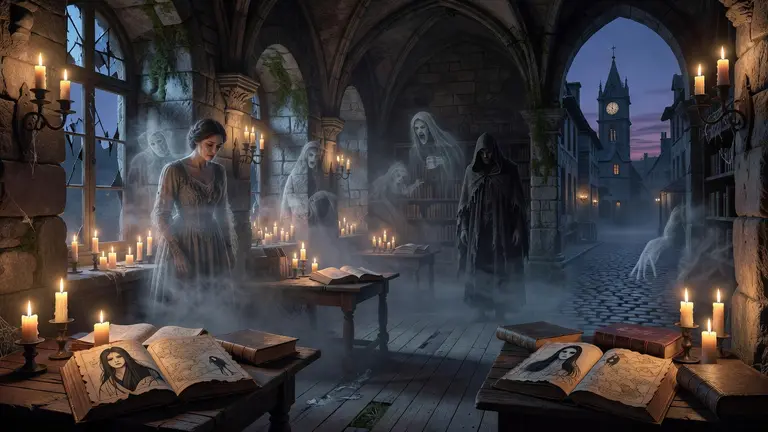
Atmosphere is more than darkness or bad weather. It comes from what the character expects, what they can sense, and what they cannot confirm. A quiet setting can feel threatening when the character has a reason to doubt their own interpretation. The aim is to draw the reader into the scene and keep them there, an effect highlighted in Behind The Draft’s discussion of atmosphere.
Restraint gives uncertainty room to work. If the threat appears too soon, readers have less time to imagine what might happen. Show the character responding to small signs: a pause before opening a door, a decision to stay silent, or a reluctance to check a sound. Each action should change what the character can safely do next.
When drafting, choose sensory details that matter to the character instead of describing everything in the room. A smell may connect to a memory; a repeated sound may make a safe place feel unfamiliar. Keep such details selective. The reader should have enough to picture the moment, but not so much explanation that the unease disappears.
Make the fear personal and the threat purposeful
A strong horror idea can begin with a fear that matters to its main character. Ask what they most want to protect, what they refuse to admit, and what could make them act against their better judgement. The threat then becomes more than a frightening object. It presses on the character’s needs and reveals what they value.
Try more than one kind of horror when shaping the premise. The advice to explore different types of horror appears in Behind The Draft’s guide to plot ideas. A mysterious stranger can also serve as a source of fear, as that guide notes. Make the stranger unsettling through the character’s experience: what they say, what they seem to know, or how their presence changes an everyday decision.
Do not use a familiar image simply because readers recognise it. A well-known monster or haunted setting can still work, but the story needs a reason for that choice. Squibler cautions against relying solely on common tropes. Give the familiar element a specific connection to the character, or change the reader’s understanding of it as the story unfolds.
Keep the source of danger linked to the plot. If a strange visitor appears, their presence should affect what the protagonist does. If a character suspects a haunting, that doubt should create a decision or cost. This makes the fear active rather than decorative. It also helps the story remain focused on the character’s experience instead of turning into a catalogue of eerie images.
Use suspense to earn a disturbing ending
Suspense grows when the reader understands what the character wants and sees how the situation makes that goal harder. A character trying to get home, protect someone, or uncover a truth gives each obstacle a clear purpose. Place pressure on that aim, then make the character choose between imperfect options. Avoid adding danger that has no effect on those choices.
Build turns from information already present. A reveal feels more satisfying when an earlier detail changes meaning, rather than arriving without preparation. Plot twists, unexpected endings and atmosphere are identified as tools for creating tension in Behind The Draft’s advice on horror craft. Use a twist to deepen the unease or expose a cost, not merely to surprise the reader.
Believability does not require a complete explanation of the supernatural. It means the character’s reactions make sense within the story. Give them a reason to hesitate, investigate, deny what they saw, or ask for help. The reader is more likely to feel involved when the character treats the threat as something that could alter their life.
What this means for you?
You do not need a complicated plot to create a story that feels unsettling. Start with one character, one pressure point and one change that disrupts ordinary life. Give the character a clear reason to stay involved. Then ask what they could lose if they ignore the warning sign. This simple frame helps you choose details that belong in the story and discard ones that only decorate it.
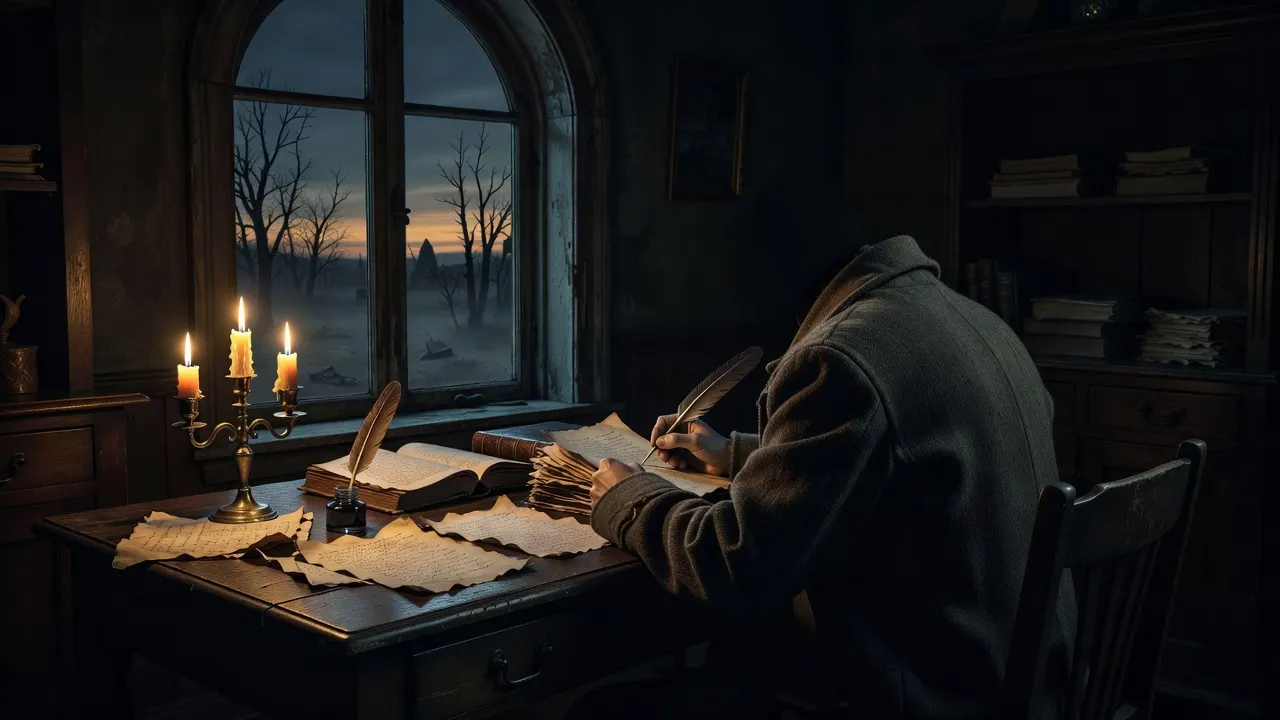
If you are a writer who has an eerie idea but cannot find its shape, write a private version without trying to make it polished. Describe the moment the character first senses trouble. Note what they tell themselves, what they do next, and what that choice makes harder. You can decide later whether the cause is supernatural, human or unresolved. Keeping that decision open can help you test different forms of fear before committing.
When a scene feels flat, check whether the character has something to lose and whether each new detail changes their options. If nothing changes, the passage may need a sharper decision rather than more spooky description. If the reader already knows exactly what the threat is, consider holding back one piece of information. Keep enough evidence for the character’s response to feel credible.
What to do now?
- Choose a character and a fear that matters to them. Write one sentence naming what they want to protect and one naming what could threaten it.
- Set an ordinary scene. Add a single detail that unsettles the character, then describe their first response without explaining the cause.
- Raise the pressure through choices. Make each attempt to solve the problem create a new cost, doubt or complication.
- Review the familiar elements in your draft. Keep them only when they have a clear purpose for this character, rather than relying on recognition alone.
- Shape the ending around the story’s central fear. Decide what the character understands, what remains uncertain, and what consequence follows from their actions.
- Revise for atmosphere and clarity. Remove details that do not deepen unease or help the reader understand the character’s decision. Let the final moment carry the intended feeling.
Sources
- behindthedraft.com/horror-plot-ideas
- www.squibler.io/learn/writing/writing-prompts/horror-writing-prompts
- www.wikihow.com/Write-a-Horror-Story
About this page
Written with AI assistance from the sources listed above, then checked by automated fact, source, repetition and quality checks before publishing.
Facts and links checked on 2 November 2026. Summarises the sources linked above; check the linked source for the latest version.
How we researched this: we compiled this guide from the official and independent sources listed above, and checked the facts on the date shown. Our editorial policy explains how we choose and check sources.